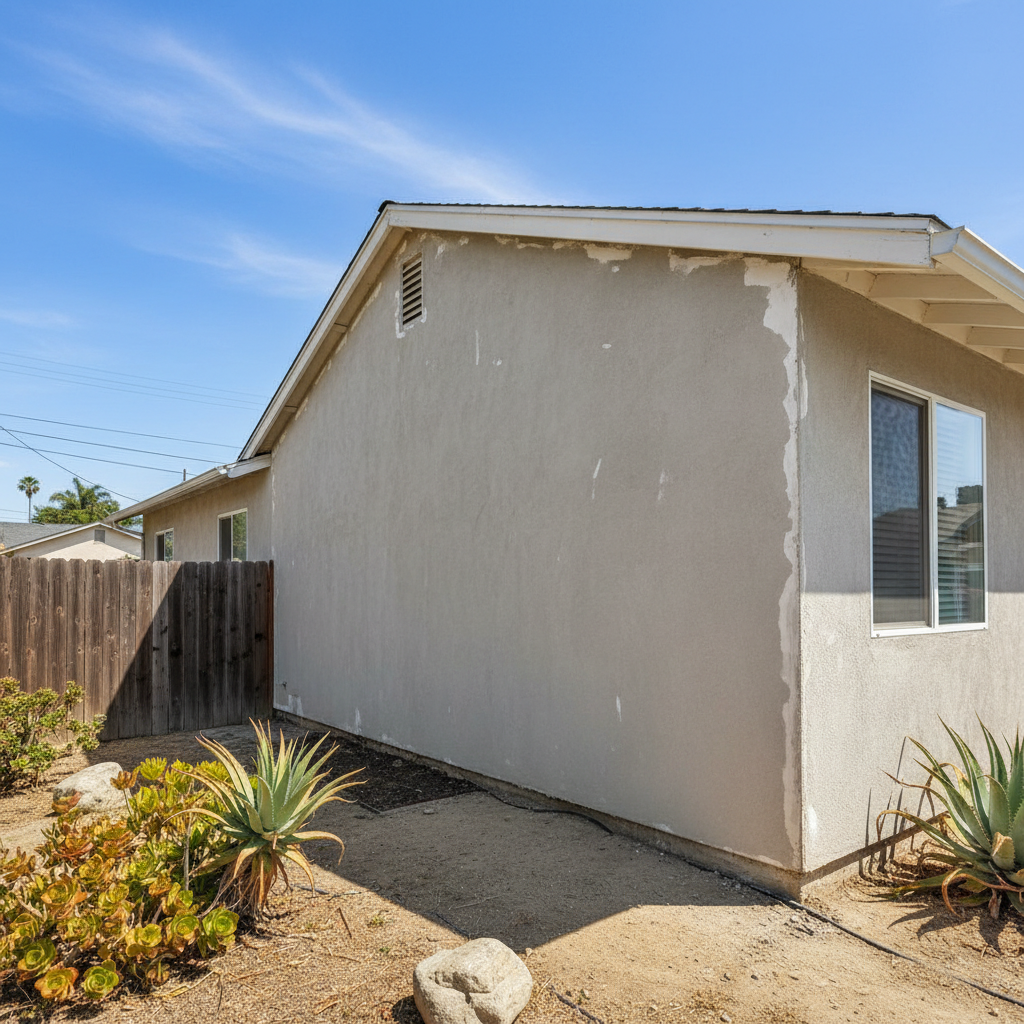
So, you finally pulled the trigger and got that old stucco removed from your Hawthorne home. Maybe it was cracked, outdated, or just not your style anymore. Good for you! That's a big step, and it really changes the whole look of a house. But just because the stucco's gone doesn't mean you can forget about your exterior. You've got a new finish now, whether it's siding, brick, or a fresh coat of paint, and that needs some love too. You want that investment to last, right?
Extending the Life of Your New Exterior
Once the stucco's off, what's next? Most folks go with new siding, like fiber cement or wood, or maybe a fresh paint job over existing wood or plaster. Whatever you chose, the key to longevity is good installation and then consistent, simple care.
If you went with new siding, make sure it's properly sealed and flashed, especially around windows and doors. That's where water likes to sneak in. For painted surfaces, a quality primer and two topcoats of good exterior paint are non-negotiable. Don't skimp on paint; it's your first line of defense against the elements. Here in Hawthorne, we don't get a ton of rain, but that intense summer sun can be brutal on paint, fading it fast and making it brittle if it's not good stuff.
The biggest thing you can do to extend the life of any exterior is to keep it clean. Dirt, grime, and even mildew can build up, especially on the north-facing sides of houses that don't get as much sun. A gentle wash every year or two with a soft brush and a mild detergent can make a huge difference. Don't go crazy with a high-pressure washer, especially on siding or painted surfaces; you can force water behind panels or strip paint right off.
Regular Maintenance: What to Look For
This isn't rocket science, but it does take a little bit of attention. Think of it like checking the oil in your car. A quick walk-around your house a couple of times a year is all it takes.
- Check your gutters: Make sure they're clear of leaves and debris. Overflowing gutters mean water running down your walls, and that's a fast track to problems, no matter what your exterior is made of.
- Look at the paint/siding: Are there any chips, cracks, or peeling spots? Address them quickly. A small chip can turn into a big peeling section if you ignore it. For siding, look for loose panels or warped sections.
- Inspect your caulking and sealants: Around windows, doors, and where different materials meet, caulk can dry out and crack over time. This is a common entry point for water. Re-caulking is a cheap fix that prevents expensive repairs down the line.
- Trim back plants: Keep bushes and trees from touching your house. They can hold moisture against the exterior, scratch surfaces, and even provide a bridge for pests.
Our Hawthorne climate, with its marine layer mornings and sunny afternoons, can be tricky. That humidity in the morning followed by dry heat can cause materials to expand and contract, which stresses seams and paint. That's why those regular checks are so important.
Warning Signs of Trouble
You're not looking for perfection, but you should know what signals a bigger problem.
- Discoloration or staining: Dark streaks, especially below windows or along seams, often mean water is getting in and running down. Green or black patches could be mold or mildew, which points to persistent moisture.
- Bubbling or blistering paint: This is a classic sign of moisture trapped underneath the paint film. It needs to be scraped, dried out, and repainted properly.
- Warped or loose siding: If panels are bowing or coming away from the wall, it's not just cosmetic. Water can get behind them and damage the sheathing underneath.
- Soft spots: If you press on a section of wood trim or siding and it feels spongy, that's rot. You'll need to replace that section.
- Pest activity: Carpenter ants, termites, or even rodents love damp, damaged wood. If you see signs of them, it's a red flag that there might be moisture damage creating an inviting environment.
When to Call a Professional
Look, not every little crack means you need to call someone. A lot of minor stuff you can handle yourself. But there are times when it's just smarter to bring in the pros.
- Extensive rot or damage: If you've got large sections of rotted wood or widespread siding damage, that's beyond a DIY patch job. You need someone who can properly remove and replace the damaged sections, ensuring the underlying structure is sound.
- Persistent leaks: If you've got water stains on your interior walls, or you've tried to fix a leak from the outside and it keeps coming back, it's time for an expert. Water intrusion can lead to mold and structural damage, and it's not something to mess around with.
- Foundation issues: If you notice cracks extending from your foundation up into your new exterior, or if your siding seems to be shifting unevenly, that could point to foundation problems. That's definitely a job for a specialist.
- You're just not comfortable: If you're up on a ladder and feel uneasy, or you're not sure how to properly repair something, don't risk it. Your safety and the integrity of your home are worth calling in someone who knows what they're doing.
We see a lot of homes here in Hawthorne, from the older bungalows near the airport to the newer builds further east. Each one has its quirks, but the principles of good exterior maintenance are the same. If you ever have questions about your home's exterior, especially after a big project like stucco removal, don't hesitate to reach out. We at Hawthorne Stucco Solutions might specialize in stucco, but we know a thing or two about what makes a house last.