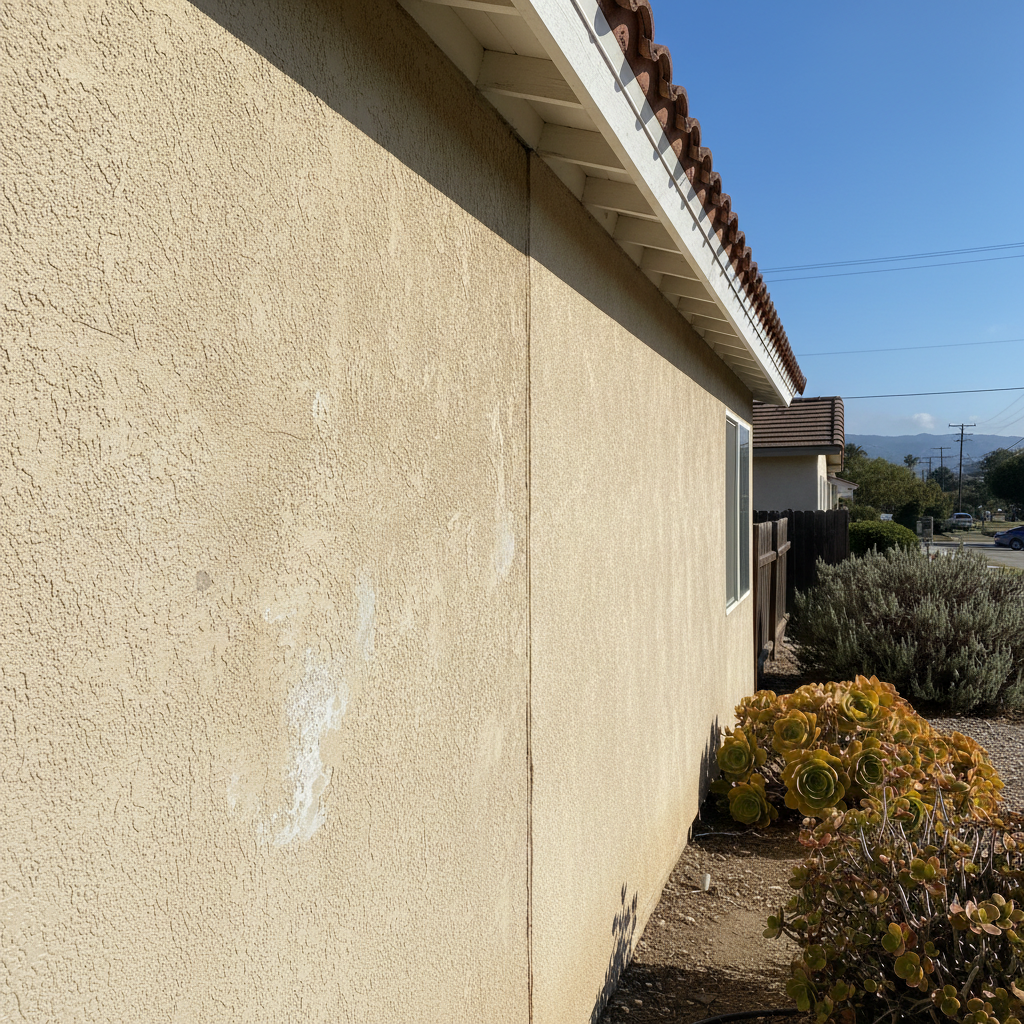
So, you’ve got some stucco damage. Maybe it’s just a hairline crack, or a bigger spiderweb pattern, or even a chunk that’s fallen off. Your first thought is probably, “Can I just patch this?” or maybe, “Do I need to redo the whole wall?” It’s a common question we get, and honestly, there isn’t a single, perfect answer. But I can tell you what I’ve seen work, and what doesn’t, right here in Hawthorne.
The Quick Fix: Stucco Patching
Patching is pretty much what it sounds like. We’re just fixing specific, small areas of damage. It’s often the first thing homeowners think about because, well, it sounds cheaper and faster, right? And sometimes, it absolutely is the right way to go.
When Patching Works Best:
- Small, isolated cracks: If you’ve got a few hairline cracks, or maybe a small hole from a stray baseball, patching can be a great fix. We can fill those in, match the texture, and paint over it.
- Minor water damage: Caught a small leak quickly? If the damage is contained to a small section, a patch might be all you need once the underlying issue is fixed.
- Budget constraints: Let’s be real, sometimes you just need to stop the bleeding without spending a fortune. A well-done patch can definitely buy you some time.
The Downsides of Patching:
Here’s where things get a bit tricky. The biggest problem with patching is blending it in. Stucco ages, the color fades, and the texture changes over time. Even if we use the exact same mix, a new patch against old stucco can really stand out. You’ll often see a noticeable difference in color or sheen, especially if the original stucco hasn't been painted recently. This is particularly true in places like the Hollyglen neighborhood, where you see a lot of homes from the 50s and 60s that have had decades of sun exposure.
Plus, if the damage is all over the place, patching just turns into a game of whack-a-mole. You fix one spot, and a month later, another crack pops up nearby. This usually means there’s a bigger, hidden problem, like foundation movement, water getting in, or just the stucco system getting old. In those cases, patching is really just a band-aid.
The Comprehensive Approach: Full Stucco Resurfacing
Resurfacing, or re-stuccoing, is a much bigger job. It means either taking off all the old stucco right down to the lath, or putting a new layer of stucco over the existing, properly prepped surface. This isn’t just about making it look better; it’s a full system upgrade for your home’s exterior.
When Resurfacing is Your Best Bet:
- Widespread cracking or damage: If your stucco looks like a roadmap of cracks, or if multiple areas are delaminating (that’s when it’s separating from the wall), resurfacing is definitely the way to go. You’ll save money in the long run by not constantly chasing individual patches.
- Major water damage: Had significant leaks, especially around windows or doors? You probably have rot or mold hiding behind the stucco. Resurfacing lets us get in there, fix those structural issues, and then put on a brand new, watertight system.
- Outdated appearance: Maybe your stucco is just plain ugly, or you want to completely change the texture or color. Resurfacing gives you a fresh start, boosting your home’s curb appeal and its value.
- Energy efficiency goals: A new stucco system — especially one with a good vapor barrier and proper insulation — can really improve how well your home holds its temperature.
The Downsides of Resurfacing:
The main drawbacks are cost and time. Resurfacing is a bigger project, so it naturally costs more and takes longer to finish. It’s an investment, no doubt about it. You’ll also have your home’s exterior under construction for a while, which can be a minor inconvenience, but usually worth it.
Cost, Durability, Maintenance, and Appearance: A Quick Rundown
- Cost: Patching is cheaper upfront. Resurfacing means a larger initial investment, but it can save you money on future repairs and upkeep if it’s done right.
- Durability: A good patch can last, but it’s only as durable as the old stucco around it. A full resurface gives you a brand new, uniformly durable exterior that’s built to last for decades.
- Maintenance: Patches might need more frequent touch-ups if you don't address the underlying problems. A new stucco system, installed correctly, needs very little maintenance beyond cleaning.
- Appearance: This is where resurfacing really shines. You get a seamless, uniform look that dramatically improves curb appeal. Patches, even the really good ones, often show.
My Recommendation for Hawthorne Homeowners
Look, if you’ve got a couple of small, isolated cracks and your stucco is otherwise in good shape, and you just need a quick fix, a patch might be fine. But honestly, in most cases I see here in Hawthorne, especially with homes that are 30+ years old, if you’re seeing widespread cracks, water stains, or just a generally tired-looking exterior, you’re almost always better off going with a full resurface.
Why? Because you’re not just fixing a symptom; you’re getting to the root cause and giving your home a brand new, long-lasting, and beautiful skin. You get a consistent look, much better protection against our coastal weather, and a significant boost in home value. It’s an investment that truly pays off. We at Hawthorne Stucco Solutions can come out, take a look, and give you an honest assessment of what makes the most sense for your specific situation. Don’t just cover up problems; fix them right.