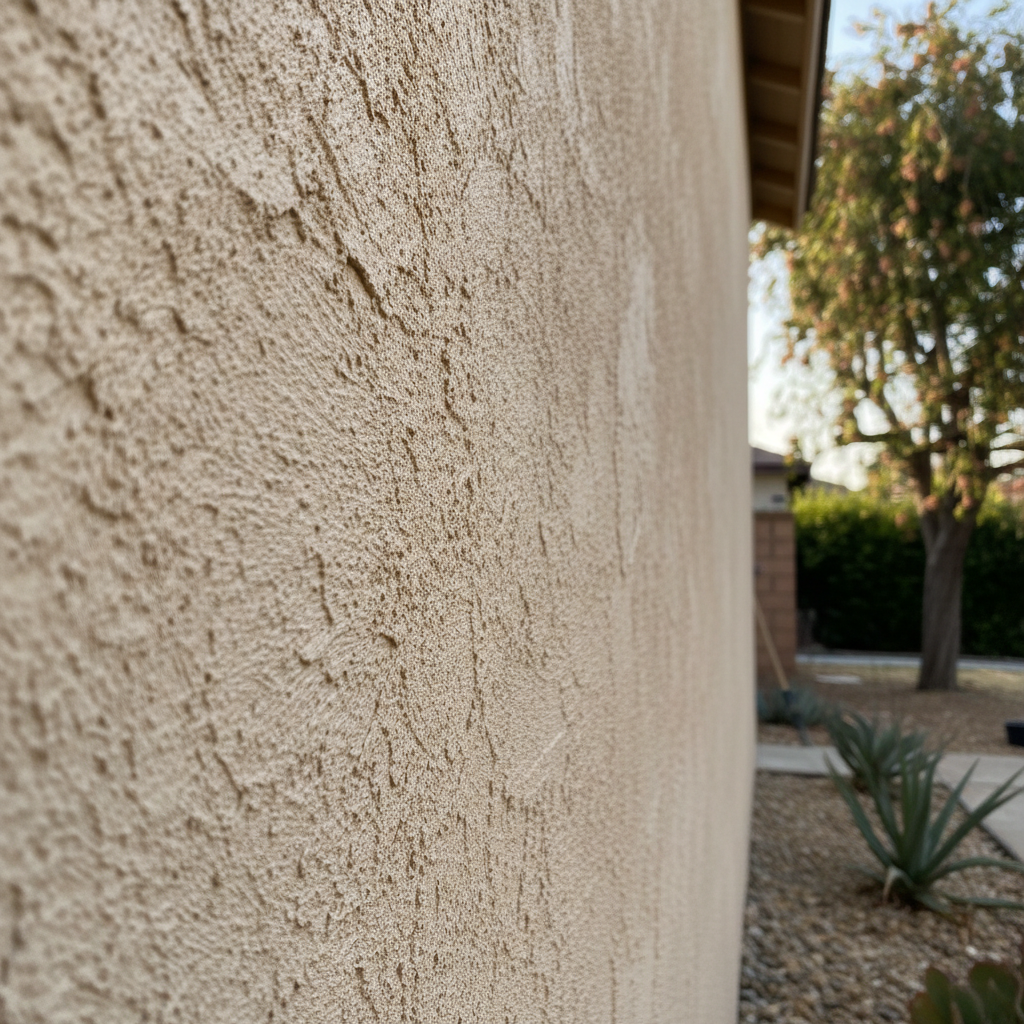
Alright, let us talk about Stucco Inspection. You have stucco on your Hawthorne home, and you want to keep it looking good and performing just right. That means keeping a close eye on it. It is not rocket science, but knowing what to look for and when to bring in the pros can save you a ton of headache and cash down the line.
Before You Start: Get Ready to Look Closely
Before you even think about climbing a ladder, you need to set yourself up for success. This is not just a quick glance from the driveway. You are going to need to get up close and personal with your home's exterior. Grab a notepad, a pen, and your phone for taking pictures. A small mallet or a screwdriver handle can be useful for a 'tap test' too. You will want to do this during daylight hours, ideally when the sun is not directly blasting one side of the house, which can make it hard to see subtle changes.
Think about the common trouble spots. Here in Hawthorne, with our mix of older homes and new construction, and that salty air near the beach cities, stucco can take a beating. The clay soils we often have around the South Bay can also lead to foundation movement, which stresses stucco. So, pay extra attention around windows, doors, rooflines, and anywhere different materials meet. These are prime spots for water to sneak in if things are not sealed up right.
During the Inspection: What You Can Do Yourself
Okay, it is time to get out there. You are looking for visual cues – your eyes are your best tools here. Walk around your entire house, slowly, and examine every wall. Do not rush it.
- Look for Cracks: Hairline cracks are common and often just cosmetic. But wider cracks, especially anything bigger than a credit card's edge, are red flags. They are pathways for water, and once water gets behind stucco, it can cause serious damage like mold or structural rot. Pay attention to cracks that run diagonally from window or door corners – these often indicate structural movement.
- Check for Discoloration and Stains: Dark streaks, water stains, or even white powdery stuff, which is called efflorescence, are big indicators of moisture problems. You will often see these below windows, near the roofline, or at the base of the walls. If you see dark spots, it could mean mold or mildew is growing, which is a sign of dampness.
- Bulging or Soft Spots: Gently tap the stucco with your mallet or screwdriver handle. It should sound solid. If you hear a hollow sound or feel a soft, spongy area, that is a sign the stucco might have delaminated from the wall or that there is water damage underneath. This is a serious issue that needs professional attention.
- Inspect Around Openings: Windows, doors, vents, and utility penetrations are critical areas. Check the caulking and flashing around them. Are there any gaps? Is the caulk cracked or missing? Water loves to find these weak points. Make sure your weep screed, that metal strip at the bottom of your stucco, is not buried by dirt or landscaping, and that it is clear for water to drain out.
- Check the Base: Look at the bottom of your stucco, where it meets the foundation or the ground. There should be a gap, usually a few inches, between the stucco and the soil or hardscaping. If dirt is piled up against the stucco, it can wick moisture directly into the wall.
You should do this kind of visual Stucco Inspection at least once a year, maybe more if we have had some wild weather here in Hawthorne.
When to Call a Pro: Do Not Guess, Get an Expert
While you can spot a lot yourself, there are times you absolutely need to bring in a professional. Do not try to DIY these situations, you will likely make it worse or miss the real problem.
- Any Sign of Significant Water Intrusion: If you have bulging stucco, persistent dark stains, or soft spots, that is beyond a homeowner's inspection. A pro can do moisture testing, sometimes even with thermal imaging, to find hidden water and assess the extent of the damage without tearing your walls apart.
- Large or Structural Cracks: Anything wider than a hairline crack, or cracks that seem to be getting bigger, need a professional eye. These can indicate foundation issues or other structural problems that a stucco repair alone will not fix.
- If You Are Buying or Selling: A professional Stucco Inspection is a smart move before you buy a home or put yours on the market. It gives everyone peace of mind and can prevent nasty surprises.
- Routine Professional Check-ups: Even if you do not see major problems, it is a good idea to have a professional Stucco Inspection every 3-5 years. They will catch things you might miss and can help you stay ahead of potential issues. For new construction, get one within the first year.
Here at Hawthorne Stucco Solutions, we have seen it all. We know the specific challenges homes face in our area, from the salt air to the clay soils that can cause movement. We can do a detailed assessment, including targeted intrusive testing if needed, to find out what is really going on behind your stucco. Our reports give you clear, actionable info, so you know exactly what needs fixing for your Hawthorne property.
After the Inspection: What to Do Next
So you have done your Stucco Inspection, or you have had a pro come out. What now?
- Small Cracks: If you found only minor hairline cracks, you can often seal these yourself with a good quality elastomeric caulk designed for stucco. Do not ignore them, because even small cracks let water in.
- Cleaning: Keep your stucco clean. Dirt and grime can hold moisture and hide problems. A gentle wash with a garden hose and mild detergent is usually all it takes. Just do not blast it with a high-pressure washer; that can damage the stucco.
- Professional Repairs: If the inspection revealed bigger issues – water damage, bulging, significant cracks – do not delay. Get estimates from reputable stucco contractors. Addressing these problems early can prevent them from becoming much more extensive and expensive.
- Maintain Landscaping: Make sure plants and shrubs are not growing directly against your stucco. They can trap moisture and hide problems. Keep them trimmed back a few inches.
Taking a proactive approach to your Stucco Inspection is key to protecting your investment. Your home's exterior is its first line of defense, and keeping that stucco in top shape means a healthier, safer home for you and your family here in Hawthorne.